New Game-Changing AI Copyright Case: Disney v Midjourney
Here’s what the Disney and Universal lawsuit against Midjourney is all about. By Jessica Eaves Mathews
What They’re Suing Over
- Copyright infringement: Disney and NBCUniversal (under Comcast) filed a lawsuit on June 11, 2025, in the U.S. District Court for Central California, accusing Midjourney of unlawfully using their copyrighted characters (like Spider-Man, Darth Vader, Elsa, Homer Simpson, Minions, Shrek, and Buzz Lightyear) in its AI-generated images. https://www.lexology.com/library/detail.aspx?g=f49c7e7c-c562-4c6c-9c9c-52b5e83ef94f
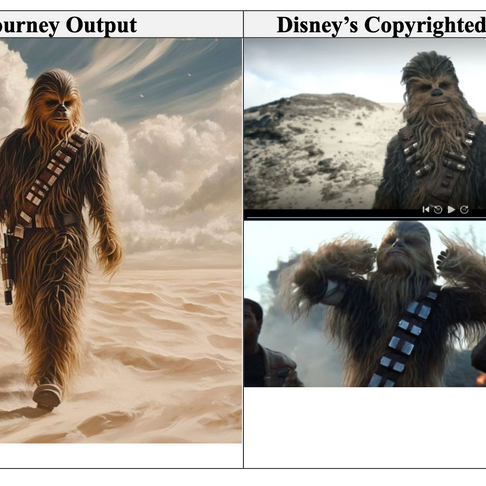
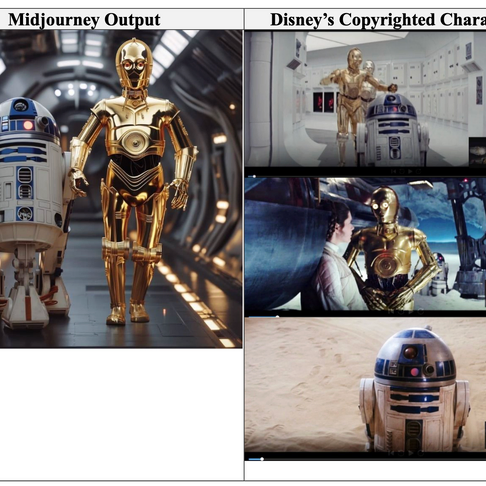
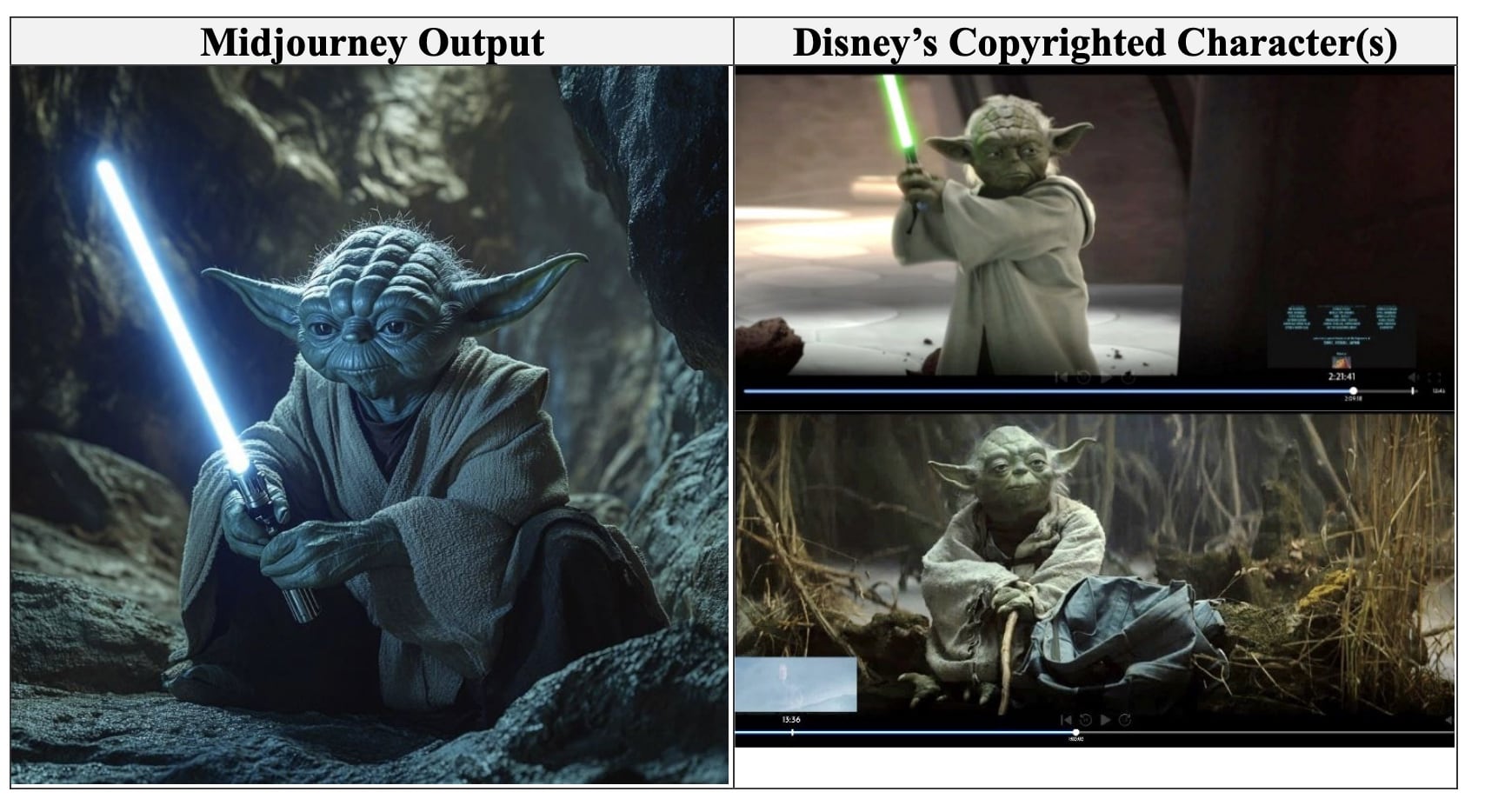
- The complaint—spanning over 110 pages—include side-by-side examples showing how Midjourney’s outputs closely mimic the studios’ characters and styles. https://s3.documentcloud.org/documents/25972151/disneynbcu-v-midjourney.pdf
Key Allegations
- “Bottomless pit of plagiarism” & “virtual vending machine”: The studios say Midjourney scrapes copyrighted content to train its models, enabling users to produce unlimited infringing images via text prompts.https://www.wired.com/story/disney-universal-sue-midjourney/?utm_source=chatgpt.com
- Refusal to restrict output: Despite cease-and-desist demands and requests for IP-protection measures, Midjourney allegedly continued releasing new versions capable of recreating these characters. https://www.theguardian.com/technology/2025/jun/11/disney-universal-ai-lawsuit?utm_source=chatgpt.com
- Revenue from subscriptions: The complaint cites Midjourney earned around $300 million last year from about 21 million users, possibly profiting off infringing content. https://ew.com/disney-and-universal-sue-ai-company-over-use-of-copyrighted-characters-11753093?utm_source=chatgpt.com
Legal Stakes & Context
- Fair use defenses are expected from Midjourney, claiming its outputs are “transformative.” But legal analysts say the precise character likenesses make this defense weak washingtonpost.com.
- If successful, the plaintiffs want:
- Unspecified damages (possibly up to ~$150K per infringing image) npr.orgapnews.com.
- A permanent injunction to stop Midjourney from generating or distributing images infringing on their IP.
- Technical safeguards to block such content from being made.
- This is Hollywood’s first major lawsuit against a generative AI firm over images/videos, and likely to set a precedent in this area.
Broader Implications
- AI training & copyright: The case challenges the practice of using massive online data—especially copyrighted works—for training AI, with studios pushing for licensing or filtering mechanisms.
- Industry ripple effects: A win could pave the way for more media companies to demand licensing deals or institute technical filters.
- Creative-rights defense: Creators and artists view this as a crucial step to ensure fair compensation and respect for creative IP, while AI firms argue that oversight could stifle innovation.
Next Steps
- Midjourney is expected to respond, likely invoking fair use and questioning whether its outputs are truly infringing.
- The case will likely involve technical deep dives into how the model was trained and whether outputs replicate protected expression or are genuinely transformative.
- Court decisions here could shape future licensing norms and legal frameworks around generative AI.
This lawsuit isn’t just about Midjourney—it marks a pivotal moment in how content owners and AI developers define ethical and legal limits in the age of GenAI.
See examples used in the Complaint here: